Beyond Rote Learning: How NCF 2023 Is Redefining Teaching in Indian Schools

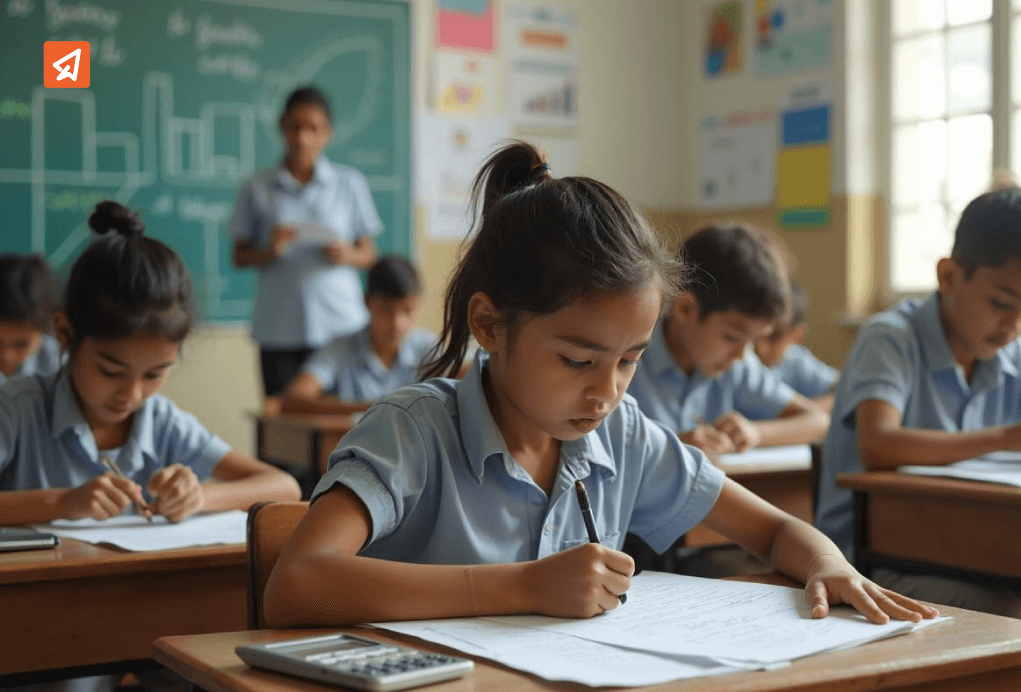
For years, Indian classrooms have largely focused on completing syllabuses, preparing for examinations, and helping students remember what they have learnt. But in a world that increasingly values critical thinking, creativity and problem-solving, is memorisation alone enough? The National Curriculum Framework (NCF) 2023 encourages schools to rethink how children learn, moving towards conceptual understanding, experiential learning and competency-based assessment. For school leaders and educators, the challenge is no longer just understanding this shift in policy, but translating it into meaningful classroom experiences.
NCF vs Traditional Teaching Methods: What Is Changing?
Traditional teaching methods often rely on teacher-led explanations, textbook-based learning, and examinations that reward recall. These approaches can help establish foundational knowledge, but they may not always give students enough opportunities to question, explore, and apply what they learn.
NCF 2023, developed in line with the National Education Policy (NEP) 2020, promotes a more flexible and learner-centred approach. It encourages teachers to connect classroom concepts with real-life experiences and assess students on their understanding, not just their ability to reproduce information.
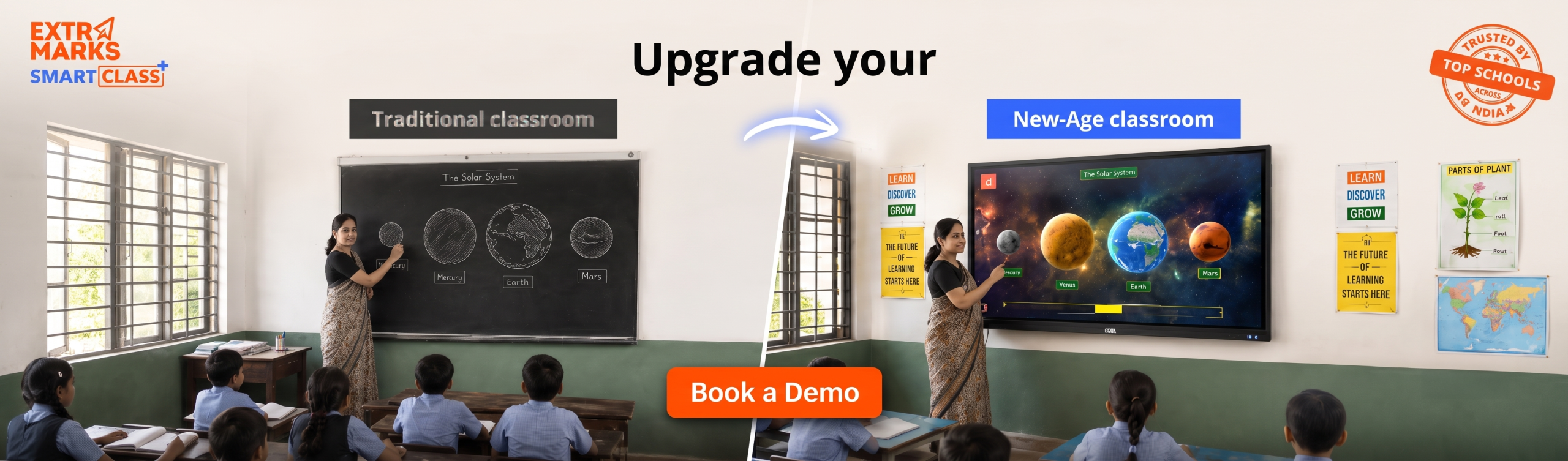
This does not mean traditional teaching has no place in modern classrooms. Direct instruction, textbooks, and structured practice remain valuable. The opportunity lies in balancing them with approaches that make students active participants in their own learning.
What Does NCF-Aligned Teaching Look Like in Practice?
The shift towards NCF-aligned education involves changes in everyday teaching, classroom participation, and assessment.
Some of the key differences include:
- From memorisation to conceptual understandingStudents explore why something works instead of simply learning an answer by heart.
- From passive listening to active participationDiscussions, experiments, projects and classroom activities encourage students to think independently.
- From marks alone to competency-based assessmentTeachers evaluate how well students understand and apply concepts, alongside their knowledge.
- From one teaching style to varied learning experiencesVisual resources, practical activities and group work offer different ways to engage with concepts.
For school leaders, these changes call for a closer look at lesson planning, teacher development and the resources available to support classroom instruction.
Why NCF 2023 Matters for the Future of Indian Schools
NCF-aligned teaching can help schools create learning experiences that prepare children for challenges beyond examinations.

Three areas deserve particular attention:
- Stronger foundational learningPlay-based activities, stories and hands-on experiences can help younger children develop essential literacy and numeracy skills.
- Better application of knowledgeConnecting subjects with everyday situations helps students understand the relevance of what they learn and use it to solve problems.
- Holistic student developmentCollaborative activities, creative expression and opportunities for reflection can support communication, confidence and independent thinking.
However, these outcomes do not follow automatically from adopting a new curriculum. Teachers need practical guidance, suitable learning resources and the freedom to adapt their approaches to the needs of their students.
The Role of Teachers and Technology in NCF Implementation
Teachers are central to making curriculum reform successful. Even the best-designed framework can have limited impact if educators lack the time, training or resources to put its principles into practice.
School management teams can support this transition through regular teacher training, collaborative lesson planning and opportunities to review student progress. They can also encourage educators to experiment with new teaching strategies and share what works in their classrooms.
Technology can complement these efforts. Curriculum-linked digital content, visual explanations and interactive assessments can help teachers explain difficult concepts and identify areas where students need additional support.
Platforms such as Extramarks can support educators with digital learning resources that enrich classroom instruction and provide alternative ways to explore concepts. When combined with teacher-led discussions, practical activities and regular feedback, these tools can make learning more engaging without turning technology into the centre of the classroom.
The goal is not to replace traditional teaching with digital tools. It is to give teachers more ways to help students understand, practise and apply what they learn.
Conclusion: From Curriculum Change to Classroom Change
NCF 2023 offers Indian schools an opportunity to move beyond a narrow focus on memorisation and examinations towards deeper, more meaningful learning. But real progress depends on how effectively schools translate its principles into everyday classroom practice.
School leaders must invest in teacher development, encourage flexible teaching methods and choose learning resources that support conceptual understanding. Parents, too, can contribute by encouraging curiosity and helping children see learning as more than a pursuit of marks.
Ultimately, the choice is not between traditional teaching and modern education. It is about retaining what works while embracing better ways to help children learn.
A successful classroom is not one where students simply know the right answers, but one where they understand the concepts, ask better questions, and confidently apply their learning to the world around them.
Published on November 24, 2026