Active Learning: Techniques, Benefits and Challenges

Education is a dynamic process that needs to keep changing from time to time to cater to the varying needs of learners and to keep up with the constant advancements in the teaching field. One such notable change can be seen in teaching methods – active learning.
What is Active Learning?
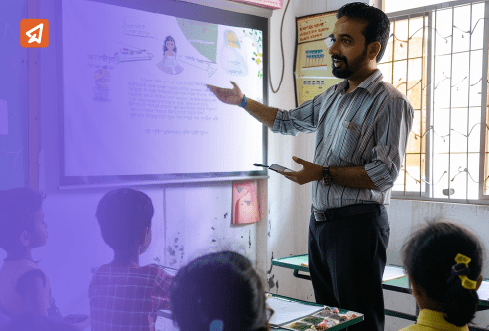
Active learning is a method that includes the students in the learning process. It involves them in thinking about what they are doing during their learning process and allows them to act. Students have more responsibilities and must collaborate with their classmates and teachers for effective learning.


Active learning enhances the educational experience by incorporating activities like reading, writing, discussions, and problem-solving, encouraging students to analyse, synthesise, and evaluate course material. This method allows students to give feedback on their comprehension, helping to identify areas where they may struggle. Since students typically lose focus every 12-20 minutes, integrating active learning strategies into your lessons can help maintain their engagement with the subject matter.
Key Components of Active Learning Strategies
There are three main components that form the backbone of the active learning process:

Engagement
Engagement captures a blend of concentration and curiosity. Students stay engaged with the subject because it is presented in a way that inherently piques their interest.

Reflection
In active learning, students must actively reflect on what they’ve been learning. This personalises and solidifies their understanding, while repeating key points helps embed the information in their memory.

Application
The application component of active learning focuses on the practical application of key concepts. Demonstrating the subject’s usefulness motivates students to remember and focus on the material.
Benefits of Active Learning
There are several benefits of including active learning in your curriculum for students. Below are some of them:
-
Enhances Collaboration
Active learning frequently involves teamwork and collaboration. Group activities and discussions help learners develop interpersonal skills and learn to work effectively as a team. This approach is especially beneficial in workplace settings, where colleagues can support each other in acquiring new, applicable skills.
-
Cultivates Critical Thinking
Active learning also allows students to enhance their critical thinking skills to absorb information effectively. These skills allow students to analyse and process information, fostering their decision-making and problem-solving skills.
-
Increases Motivation and Engagement
In an active learning environment, students directly interact with new information through engaging activities and problem-solving. This approach not only fosters a deeper understanding of the material but also makes the class more engaging by creating a personal connection with the content.
-
Prepares Them for Employment
With active learning, your students can effectively learn skills required in their careers. Integrating activities like case studies and problem-based learning scenarios into your teaching offers students the chance to practice essential workplace skills.
-
Boosts Retention
Active learning strategies enhance information retention. When learners actively engage with content through discussion, debate, teaching, or application, they are more likely to remember it. This is partly because these activities personalise the learning experience, fostering appreciation and positive emotions that make the material more memorable.
-
Builds Confidence
Through active learning, students are expected to take initiative and participate in different learning activities. They have to build ideas, share their thoughts, and even defend their opinions. They also integrate skills into practical settings and see the outcomes of their decisions. All of this builds their confidence as they navigate through real-life scenarios.
-
Improves Enthusiasm
When students are involved in the learning process, they are more likely to get excited about learning new things and participate in conversations. Through active learning, students get a chance to apply their knowledge in practical settings. This enhances their enthusiasm for studies and learning, as they are not merely learning to pass an exam.
12 Active Learning Strategies
Now that you have understood the key components and benefits of active learning, it’s time to learn some strategies for applying active learning in your teaching method.

Role-Play
Role-play is meant to enhance problem-solving skills and empathy among students. By acting out scenarios, they gain insights into various perspectives and learn to navigate complex situations. It can be especially beneficial to have students take on both sides of an interaction, such as a police officer and suspect or a sales professional and buyer.


Problem-Based Learning
Problem-based learning enhances student’s decision-making and critical thinking skills as they learn to tackle problems they might face in the real world. Instead of the theoretical scenarios typically found in case studies, problem-based learning might involve analysing a current news story or social media event through the lens of the topic at hand. This approach makes the subject more relevant and practical for students.

Three-Step Interviews
In this active learning technique, students learn how to apply different questioning strategies and also reflect on their understanding of the content. Here, they have to take turns acting as an interviewee, interviewer, and observer. It promotes deep reflection and active engagement in the students. This active learning technique is best for careers that require students to have negotiation and social skills, such as politics, hospitality, journalism, and sales.

Flipped Classroom
In the flipped classroom strategy, students have to independently explore the course content before the class so that the classroom time is dedicated to problem-solving and active discussions. This method is most effective in a highly motivated educational environment, such as vocational training that leads to professional qualifications. However, a significant drawback is that students will gain little from the class content if they come unprepared. Additionally, it’s crucial for participants to reflect on in-class discussions after each session to reinforce their learning.

Peer Teaching
Peer teaching reinforces understanding and boosts confidence in student’s knowledge. When they teach their peers, they deepen their comprehension and consolidate what they’ve learned. A classic example of this is the American “show and tell” from elementary school, but adult learners can also benefit from sharing their experiences or illustrating a point with examples from their own professional lives.

Debates and Discussions
Through debates and discussions, students are encouraged to analyse and actively participate in classroom activities. This fosters critical thinking among them, and they can effectively articulate and defend their viewpoint. While this classic strategy may be out of favour in modern schools, it effectively reinforces key issues in social, cultural, and political thought. By establishing strict discourse rules—such as addressing the chair or avoiding personal attacks—it’s possible to minimise the antagonistic aspects of debates.

The Pause Procedure
The pause procedure is a great strategy when focusing primarily on active learning. Every 12-15 minutes during your class, especially after dictating or sharing videos, it’s beneficial to pause briefly for two to three minutes. Use this time to encourage students to pair up and share their notes, allowing them to discuss what they’ve learned, revise their notes, or ask any questions they may have.
Interactive Quizzes and Polls
Through this active learning technique, students engage and assess the knowledge they have gained. Interactive polls and quizzes integrate fun into learning while also providing valuable feedback. The best part about this strategy is that it is great for both physical and virtual classroom settings.

The Muddiest Point
Students are expected to reflect on their challenging areas, which is a valuable feedback tool for teachers. Here, you ask questions like “What didn’t you understand?” or “Which point did you find most complex?” and then conduct a targeted session to delve deeper into that concept. This technique helps identify misconceptions and knowledge gaps while enhancing future course content iterations.

Case Studies
Through case studies, students can apply their course content in real-life scenarios, fostering their problem-solving and critical-thinking skills. They also improve their ability to link their theoretical knowledge to practical application. Case studies should be crafted to resonate with the lives and experiences of course participants, enabling them to share their own personal insights. This connection fosters emotional and intellectual engagement with the subject matter, increasing the likelihood that the learning will be retained.

Game-Based Learning
Gamification in education is an important active learning technique, especially when today’s kids are being raised in a digital age. You can tap into their digital skills by integrating lesson-teaching software into the classroom. It is a great way to bring lessons to life through creative resources, driving student engagement.

Reciprocal Questioning
Implement reciprocal questioning to foster an open dialogue where students take on the role of the teacher and generate their own questions about a topic, reading section, or lesson. After discussing a chosen topic in class or assigning a reading selection, divide the students into pairs or small groups and have them come up with a few discussion questions for the whole class.
Put active learning into action with these effective Smart Classroom Activities designed to boost participation.

Boost Student Engagement With Curated Activities for Your Classroom!
 60+ activities across 6 different engagement categories
- Designed for grades 3 to 12 and easy to plug into any lesson plan
- Comes with printable cards and step-by-step instructions
How to Implement Active Learning in Classroom
There are some ways in which you can successfully implement the above active learning techniques for effective teaching. Below are ways to implement active learning in the classroom:

Assess Your Student’s Needs
The first thing to do is assess the student’s needs for implementing a suitable active learning technique in your classroom. You can do so by researching all the active learning methods and understanding how each one of them helps the students in what ways. This will help you understand your student’s learning outcomes. Next, you can also assess their needs by evaluating any unique challenges you are facing in the classroom.

Help Them Meet Their Learning Goals
One key advantage of active learning is that it keeps learners engaged. Students can connect more deeply with the content by incorporating learning activities that promote the acquisition of concepts, skills, and knowledge. These engaging learning activities boost retention and help learners achieve a deeper understanding.
The active learning strategies you select should align with their learning objectives by involving them in writing, discussions, decision-making, problem-solving, synthesis, and assessment of their understanding. Doing so fosters motivation to learn, enhances the transfer of new information, and reduces the likelihood of course failure.

Develop the Appropriate Active Learning Method
Identify the questions or topics for your students and create clear learning objectives.
When designing the activity, consider the following:
- Determine if it’s better conducted inside or outside the classroom
- Create clear and specific guidelines for learners
- Outline the sequence of tasks and how students should engage
- Involve learners in establishing ground rules
- Guide students in sharing roles and responsibilities during group work
- Provide feedback post-presentation, focusing on motivation and corrections
- Offer guidelines for extending the in-class activity
- Have a rubric for assessment and communicate the structure for the extension, including groupings, timelines, and technology to use

Keep Them Involved
A key element of effective active learning is students feeling accountable for participating in assigned activities. Without this sense of responsibility, they may become distracted or opt out of the tasks. But do you have to grade all this in-class work? The short answer is no. While you can choose to grade in-class activities, it isn’t essential for holding students accountable.

Evaluate the Activities
Evaluating the active learning technique you chose helps assess its effectiveness in enhancing learner understanding. An effective active learning strategy supports learners in achieving learning objectives both formatively and summatively.

Gain Feedback and Reflect
Feedback and reflection are essential for measuring learning outcomes and identifying opportunities for improvement. Getting feedback on your active learning activities can come from multiple sources. For example, you can gather large-scale feedback from learners and then compare this data with expert insights to pinpoint gaps in student understanding.
Challenges of Active Learning
While there are several advantages of active learning for both students and teachers, it comes with its own set of challenges that you need to identify and tackle. Here are some common ones you may find:
- Class Size Constraints: In larger classes, implementing active learning strategies can be challenging. Break the class into smaller groups for discussions or activities and use technology to enhance interaction.
- Intense Resource Need: Some activities may require additional resources, such as technology or materials, which can be challenging in resource-limited environments.
- Consumes Time: Some active learning activities may take more time than traditional lectures, potentially affecting the coverage of course material.
- Resistance to Change: Some students may initially resist active learning methods because they are familiar with passive approaches. To address this, explain the benefits of active learning, share success stories, and gradually introduce new techniques.
- Not for Every Subject: Some subjects, such as complex historical events, advanced mathematics, advanced language skills, and abstract scientific theories, can be more challenging to teach using active learning methods.
- Unequal Participation: During group activities, variations in student participation may result in some students being less engaged.
Replace Traditional Learning with Active Learning!
Are you tired of the traditional teaching methods where your students aren’t even involved in the learning process? The traditional learning methods can be tiring for both students and teachers. Hence, it’s important to encourage participation in the classroom through active learning.
Extramarks Learning App promotes active learning through interactive lessons and activities. Unlock your childs potential through active learning!
Learn More
Reviewed by

Prachi Singh | VP - Academics
Prachi Singh is a highly accomplished educationist with over 16 years of experience in the EdTech industry. Currently, she plays a pivotal role at Extramarks, leading content strategy and curriculum development initiatives that shape the future of education...read more.


Last Updated on December 10, 2025