The Role of LMS in Increasing Student Participation
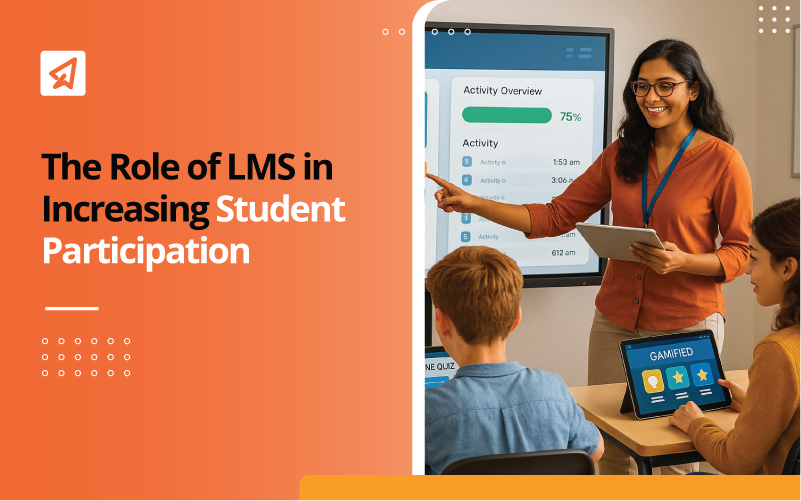
Getting students to participate in class can be a real challenge, especially when attention spans are short and distractions are everywhere. That’s where a Learning Management System (LMS) can make a big difference. It gives teachers the tools to keep students involved through interactive lessons, quizzes, discussions, and instant feedback. In this blog, we’re taking a closer look at what an LMS is and how it plays a role in increasing student participation. So, let’s get started.
What Is an LMS?
An LMS, or Learning Management System, is an online platform that helps teachers and schools manage learning in one place. It lets you plan lessons, upload materials, give quizzes, track progress, and share feedback without relying on different tools. You can think of it as a central hub for teaching and learning, where everything from content creation to communication happens digitally.

Schools, colleges, and training institutes use LMS platforms to keep lessons organised, save time on paperwork, and make learning more interactive for students. Most LMS tools come with features like course libraries, attendance tracking, assessments, chat options, and progress reports. This makes it easier for both teachers and students to stay connected and on track.
Why an LMS Helps Students Stay Engaged
A Learning Management System (LMS) plays an important role in keeping students active and engaged in their learning. Here’s how it helps:
- Brings all study materials together in one place, making it easy for students to find what they need.
- Makes learning interactive with quizzes, videos, and fun gamified lessons.
- Allows students to follow their own learning pace through personalised learning paths.
- Promotes teamwork with discussion boards, group projects, and peer sharing.
- Gives instant feedback and quick assessments that keep students motivated to improve.
- Uses data and analytics to track participation and spot students who might be losing interest early on.
- Strengthens understanding and boosts completion rates with engaging course formats.
- Builds a stronger sense of community and connection within online classrooms.
- Makes learning more enjoyable and flexible with a smooth, user-friendly platform.
- Helps teachers use real data to plan better lessons and improve student outcomes.
How LMS Boosts Student Participation
Let’s take a closer look at how LMS boost student participation:
-
Interactive Content
One of the biggest reasons students engage better with an LMS is because it brings lessons to life. Instead of relying only on plain text, teachers can use videos, podcasts, animations, and interactive simulations. This mix of formats keeps lessons fresh and caters to different learning styles.
What makes it even better is that quizzes can be built right into the lesson. So as soon as students watch a video or read a section, they can answer questions right there. This helps them apply what they’ve learned immediately, reinforcing understanding and improving memory.
-
Flexible and Personalised Learning
Every student learns differently, and an LMS gives them the space to do that. Students can go through lectures, notes, or assignments at their own pace, which works especially well for those who need a little extra time or prefer revisiting lessons later.
At the same time, teachers can track each student’s progress using built-in analytics. These insights help identify who’s struggling and who’s excelling. With that data, teachers can share personalised learning materials or suggest extra practice, making the learning experience more tailored and meaningful for each student.
-
Collaboration and Social Learning
Learning becomes more enjoyable when students can share ideas and work together. LMS platforms often include discussion boards, group chat spaces, and project collaboration tools. Students can ask questions, exchange opinions, and solve problems as a team.
Group assignments can also be managed easily through the LMS. This not only improves teamwork but also builds a stronger sense of classroom community. Everyone learns from each other, which makes participation feel natural and not forced.
-
Motivation Through Gamification
Gamification is a simple yet powerful way to keep students interested. Many LMS platforms now use elements like points, badges, and leaderboards to make learning feel like a game. When students complete tasks or perform well, they earn rewards that boost motivation and healthy competition.
Along with that, instant feedback on quizzes or progress bars showing how much they’ve completed keeps them aware of their achievements. This sense of progress encourages them to stay consistent and aim higher.
-
Improved Communication
An LMS makes it easier for teachers and students to stay connected. Teachers can give personalised feedback, answer questions, or send quick updates through the platform. This regular communication helps students feel supported and reduces the sense of isolation that sometimes comes with online learning.
It also promotes a sense of belonging. With community spaces, announcements, and social features, the LMS helps create a classroom atmosphere that feels interactive, even when everyone is learning remotely.
-
Real-Time Analytics
Teachers can use real-time dashboards to see who’s participating actively in quizzes, discussions, and group work. These insights make it easy to understand which students are fully engaged and which ones might need extra encouragement. It turns participation tracking into a simple, data-driven process rather than guesswork.
-
Personalised Interventions
When participation levels drop, the LMS can send alerts to teachers. This early warning system helps teachers step in right away. They can assign additional exercises, schedule extra help sessions, or even involve parents if needed. Addressing these issues early keeps students from falling behind and helps them stay connected to their learning.
-
Gamification and Rewards
Many LMS platforms also include built-in reward systems. Students can earn points for logging in regularly, completing modules, or joining discussions. These rewards give students a sense of achievement and make learning feel enjoyable. When participation is tied to positive reinforcement, students are more likely to stay active and consistent.
How Extramarks LMS Helps Students Stay Engaged and Involved
Let’s walk through how Extramarks LMS helps boost participation and keeps students genuinely engaged in their learning.
-
Interactive Learning That Feels Personal
-
Live Classes and Recordings
Students can join live online classes and interact with teachers in real time. If they miss a session or want to go over something again, recordings are available for easy revision. This flexibility helps students stay connected with the lesson even if something interrupts their schedule.
-
Homework and Self-Practice
Teachers can assign homework that connects directly to the lesson. Along with that, students get self-practice tasks to keep sharpening their understanding. This habit of regular practice encourages active learning without making it feel like a chore.
-
Interactive Content
Lessons come alive with videos, simulations, animations, and quizzes. These are not just add-ons. They are built right into the learning experience to make topics more interesting and easier to remember.
-
-
Smoother Communication That Keeps Everyone in the Loop
-
Coordinator Dashboard and Communication Manager
Teachers and school coordinators can quickly send out updates, share feedback, or assign work. Students do not have to keep checking multiple channels. Everything is streamlined. This direct communication helps students stay more accountable and connected to their classwork.
-
Centralised Notice Board
Important announcements, circulars, or activity updates all show up in one place. This keeps students informed and encourages them to take part in school activities without missing anything.
-
-
Smart Assessments That Motivate Students
-
Digital Assessments
Online tests give instant results. Students get to see what they did well and where they need more work. This quick feedback helps them take charge of their own learning.
-
Auto Report Cards and Grading Tools
Teachers don’t need to spend extra hours preparing grades. Everything is calculated automatically, and the grading is more transparent. When students clearly understand how they’re being assessed, they feel more motivated to improve.
-
Reports and Insights
Teachers can track how engaged each student is, how they perform in tests, and how often they participate. These detailed reports help teachers spot early signs of disengagement and step in before it becomes a bigger issue.
-
-
Learning That Fits Each Student’s Pace
-
Resource Library
Students can access study material whenever they need it. Whether it’s a concept from class or something they want to explore further, the library is organised and aligned with the curriculum. This supports independent learning and helps students build confidence.
-
Teacher and Class Trackers
These tools help teachers keep track of how much of the syllabus has been covered and which students may be falling behind. It ensures that every student gets the attention they need without feeling left out.
-
Attendance Tracker
Participation is monitored digitally. Teachers can spot patterns in absenteeism or low engagement early and follow up accordingly. This helps bring students back on track before it affects their performance.
-
-
Clear Schedules That Make Planning Easy
-
Academic Calendar and Timetable Manager
Students always know what’s coming up, be it classes, tests, or school events. With clear dates and reminders, they can plan their time better and avoid last-minute stress.
-
Teacher Management Tools
The platform also helps teachers manage their own time better. With administrative tasks handled smoothly, they can focus more on keeping students engaged and less on backend work.
-
Closing Thoughts
Getting students to participate takes more than just asking questions or giving out marks. It’s about creating an environment where learning feels meaningful and students feel seen. An LMS brings structure, flexibility, and the right kind of support to make that happen. With tools that encourage interaction, track progress, and keep communication clear, it turns everyday teaching into a more connected experience. And when students feel connected, participation follows naturally.
Frequently Asked Questions (FAQs)
What are personalised interventions in an LMS?
Personalised interventions are learning supports based on how each student is doing. The LMS uses data to track their performance and then recommends specific materials or help. This makes it easier for teachers to guide students who may be struggling and give them exactly what they need to stay on track.
Can gamification in an LMS increase student motivation?
Absolutely. Gamification brings in fun features like points, badges, and leaderboards. These small rewards create a friendly sense of competition and keep students motivated to participate and complete tasks. It turns learning into something students actually look forward to.
How does LMS-based attendance tracking compare to manual methods?
Tracking attendance through an LMS is faster and more accurate than doing it by hand. It records attendance in real time, reduces errors, and helps teachers spot patterns in student absences. Manual methods often take more time and are easier to mess up.
What are the main benefits of integrating attendance tracking with an LMS?
When attendance tracking is built into the LMS, everything becomes more streamlined. Teachers can access detailed attendance data alongside academic progress, which helps them take quick action if a student is falling behind. It also saves time and reduces paperwork.
Published on January 9, 2026