Essential Smart Classroom Skills Every Educator Must Build
Stepping into a smart classroom can feel a bit overwhelming at first. There are screens, apps, tools, and all sorts of tech waiting for your attention. But here’s the thing: you don’t need to be a tech expert to make it work. You just need a few practical skills that help you use this setup to your advantage. Skills that make teaching smoother, students more engaged, and lessons more meaningful. This blog will show you the skills you need to make smart classrooms truly work for you and your students. Let’s jump right into it.
Essential Smart Classroom Skills Every Educator Must Build
Here’s a closer look at some of the most essential smart classroom skills every educator must build:

Core Foundational Skills
Smart classroom or not, these are the basics every teacher needs to get right.
-
Communication and Active Listening
Clear, thoughtful communication is still the heart of great teaching. It means giving instructions that make sense, listening closely to what students say, and giving feedback that helps them grow. In smart classrooms, it also includes things like writing updates on digital platforms, responding to emails, or managing parent communication online.
-
Classroom Management
Even the most advanced smart board won’t help if your classroom feels chaotic. Learn to organise your day, stick to time limits, manage transitions, and observe students calmly. A classroom that runs smoothly gives space for learning to happen.
-
Adaptability and Problem-Solving
Tech glitches, new policies, and shifting student needs are common in smart classrooms. Being flexible helps you adjust quickly. Whether it’s switching your plan mid-lesson or handling a new app, adaptability helps you keep moving forward and support students when things don’t go as planned.
-
Critical Thinking and Creativity
You’re not just delivering content. You’re helping students explore, connect ideas, and question the world around them. Use project-based tasks, real-life examples, and creative questioning to build deeper learning. Smart classrooms give you new tools, but it’s your creative planning that brings them to life.
Digital and Tech Integration Skills
These are the tools that make a classroom “smart” but they work only if you use them well.
-
Digital Literacy and Proficiency
Start with the basics. Know how to use word documents, slides, spreadsheets, and digital whiteboards. Explore tools like Extramarks Teachers App, Google Classroom, and Microsoft Office. These platforms help you manage assignments, share updates, and give feedback more smoothly.
-
Tech Tool Mastery
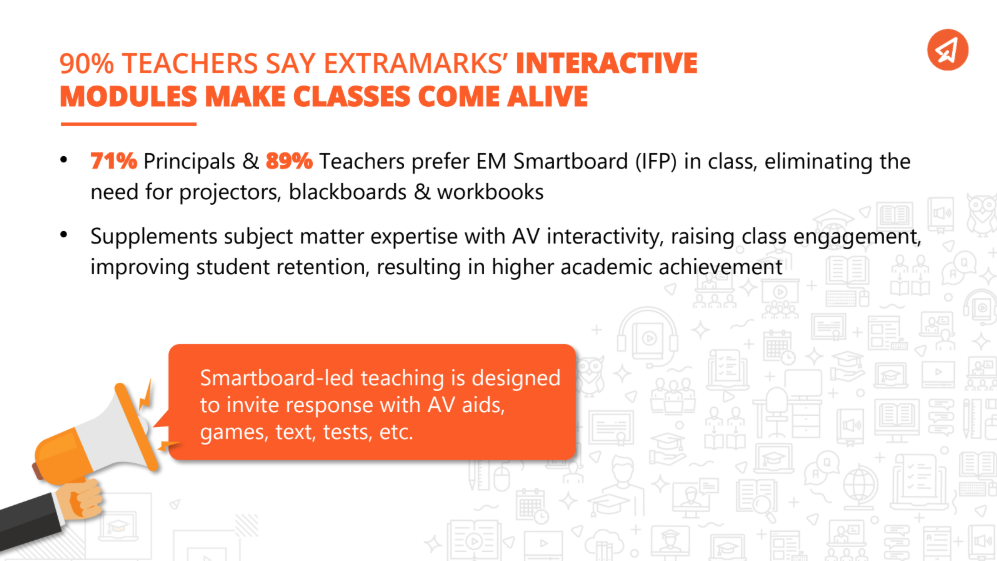
Smartboards, tablets, quiz apps, and interactive websites can bring lessons to life. But it’s not about the tool itself. It’s about how you use it to keep students engaged. Tools like that use gamification, polling, or real-time collaboration can make lessons more interactive and keep students actively involved.
-
Digital Pedagogy
Digital pedagogy means more than just using tech. It’s about using it in a way that improves how students learn. For example, you might flip your classroom so students watch videos at home and work on problems in class. Or use interactive visuals to explain science topics. Even virtual reality (VR) or augmented reality (AR) can take a lesson from interesting to unforgettable. It’s all about using the right tech to meet the learning goal.
-
Data Analysis
Smart classrooms generate a lot of data, like quiz scores, attendance, app usage, and more. The trick is knowing how to use that data. With tools powered by AI or built-in dashboards, you can spot patterns in student performance and personalise your teaching. Whether it’s offering extra support to someone struggling or challenging a student who’s ahead, data can help guide every decision.
-
Digital Citizenship
As students spend more time online, teaching them how to behave responsibly becomes just as important as any subject. Digital citizenship includes discussing online safety, privacy, respectful communication, and how to deal with misinformation. Helping students understand the online world builds a safer, more respectful learning space.
AI Skills
With AI becoming part of education, teachers who understand it will be better prepared to use it well.
-
Understanding AI Fundamentals
You don’t need to be a tech expert to understand AI, but having a basic idea of how it works helps you use it wisely. Learn what large language models like ChatGPT can and can’t do. Knowing the limits is just as important as knowing the possibilities. When you understand the tool, you can make smarter choices about where and how to use it in your classroom.
-
Prompt Engineering
Writing the right prompt can save hours. Whether it’s planning a lesson, generating quiz questions, summarising texts, or coming up with project ideas, prompt writing is a skill worth building. It helps you get the most out of AI tools without trial and error.
Why Do These Smart Classroom Skills Matter?
If you’re wondering why building smart classroom skills is worth the effort, here’s a quick look at why they matter:
-
Boosts Student Engagement
Smart classroom tools give students more ways to interact with lessons. Whether it’s clicking answers on a tablet, watching an animated concept video, or solving questions on the board in real time, the learning becomes more hands-on. Students pay more attention, stay curious, and are more likely to participate when they see lessons come alive.
-
Increases Teaching Efficiency
Instead of spending hours preparing lessons or checking piles of notebooks, you can use digital tools to speed things up. Smart assessments give instant results. Attendance, homework, and class notes are managed in one place. You can use your time where it matters most, teaching and helping students learn better.
-
Prepares Students for the Digital Future
Students today will step into a world full of tech. When you use smart classroom tools, you’re not just teaching the syllabus. You’re helping them learn how to use digital platforms, think independently, and solve problems using real-world tools. These skills will stay with them long after school ends.
How You Can Start Building Smart Classroom Skills
Here’s how you can start building smart classroom skills:
Step 1: Understand Where You Stand
Start by doing a quick self-check.
- List the digital teaching skills you think matter, like using smart boards, creating digital quizzes, or analysing classroom data.
- For each one, rate your confidence from 1 (beginner) to 5 (very confident).
- Pick one or two skills that you want to improve, based on your daily classroom challenges.
- Note down how your last lesson went using those skills. This will help you see progress later.
Step 2: Pick One Tool to Start With
Don’t try to learn everything at once.
- Choose one beginner-friendly tool that matches your focus area. It could be a quiz maker, a lesson planner, or a classroom response system.
- Spend a few minutes daily exploring how it works. Use tutorial videos or practice modes.
- Before using it with students, try it on your own. Create a test activity and see how it runs.
Step 3: Try It in a Real Lesson
Once you’re comfortable, test it out in your class.
- Plan a short activity using the tool and pair it with content you already teach.
- Let students know you’re trying something new. This sets the tone and eases pressure.
- Observe how the tech performs, how students respond, and if it helps them participate more.
Step 4: Collect Feedback and See What Worked
After the lesson, take a few minutes to gather insights.
- Ask students what they thought using a quick poll or exit ticket.
- Check the tool’s analytics, like who completed the task or how long it took.
- Note what worked well, what felt clunky, and whether there was any improvement from your earlier lessons.
Step 5: Make Adjustments and Try Again
Small changes go a long way.
- Based on feedback, simplify instructions, add visuals, or change the timing.
- Use the revised version in your next class. Don’t wait too long between trials.
- Compare how things went before and after. You’ll start seeing patterns.
Step 6: Grow with Support
Once the first tool feels easy, it’s time to explore a little more.
- Add a second skill or tool that supports what you’re already doing.
- Talk to colleagues who are also trying new methods. Share what’s working.
- Look for short courses or workshops to go deeper. This keeps learning steady.
Step 7: Make It a Habit and Lead by Example
Now that you’ve started, keep the momentum going.
- Set aside regular time to explore new features or updates in your tools.
- Share your progress with school leadership. It shows impact and encourages support.
- Every few months, reflect on your journey. Set new goals and celebrate how far you’ve come.
Closing Thoughts
Building smart classroom skills does not happen overnight, but every small step makes a difference. When you focus on the right tools and habits, teaching becomes smoother and learning becomes more engaging. As classrooms continue to evolve, educators who keep learning and adapting will be better prepared to support students and create more meaningful classroom experiences.
Frequently Asked Questions (FAQs)
Why are smart classroom skills important for teachers today?
They help you keep students engaged, personalise lessons, manage digital content, and support skills like critical thinking and tech fluency that students need today.
What technology skills do teachers need for smart classrooms?
You should know how to use smart boards, run digital learning platforms, play multimedia content, create online tests, and track learning progress with data tools.
How do smart classroom tools improve student engagement and learning outcomes?
They make lessons visual and hands-on, give quick feedback, and allow group work. This keeps students focused, helps them understand faster, and supports better long-term learning.
How can teachers develop smart classroom teaching skills effectively?
Practice regularly, attend training sessions, explore EdTech platforms, and work with peers. The more you experiment with digital tools, the more confident and creative you’ll get in class.
Reviewed by

Priya Kapoor | AVP - Academics
Priya Kapoor is an accomplished education professional with over 18 years of experience across diverse fields, including eLearning, digital and print publishing, instructional design, and content strategy. As the AVP – Academics at Extramarks, she leads academic teams in creating tailored educational solutions, ensuring alignment with varied curricula across national and international platforms...read more.

Last Updated on March 17, 2026