21st Century Skills in Education: How They Are Transforming the Classroom
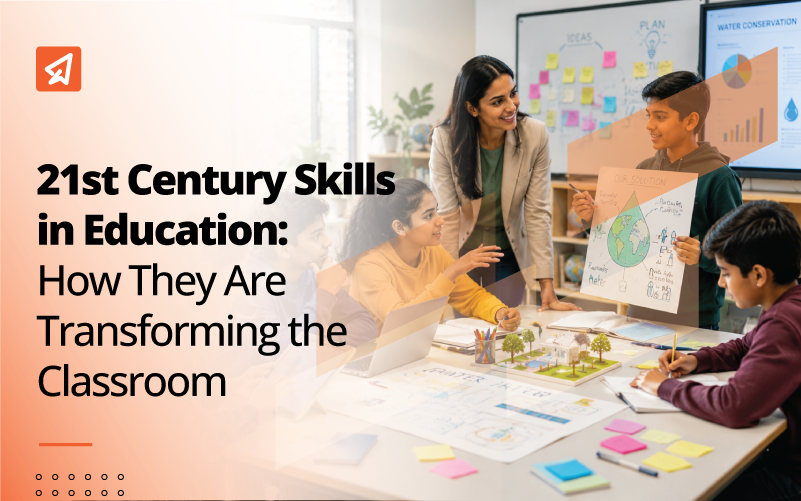
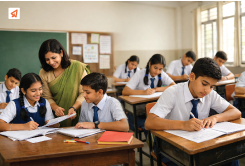
Education is changing. Classrooms are moving beyond memorisation and textbook learning. Students are now being asked to understand concepts, solve problems, and use what they learn. This shift has made 21st century skills in education an important part of modern schooling.
For schools, the goal is not to add one more subject to the timetable. It is to change how students learn every day. Students need to think clearly, speak well, work with others, use technology safely, and adapt to change. These skills help them become confident, independent learners.
What Are 21st Century Skills in Education?
21st century skills are the abilities that help students learn, work, and solve problems in a changing world. They include critical thinking, creativity, communication, collaboration, digital literacy, and adaptability. These skills connect classroom lessons to real life and help students apply what they know instead of only remembering it.
A 21st century skills curriculum builds these abilities into normal subject teaching. A maths lesson can build problem-solving. A science project can build teamwork. A social science debate can build communication. The subject stays the same. The way of learning changes.
Why 21st Century Skills Matter Now
The world of work is changing faster than ever. The World Economic Forum (WEF), a global research body, reported in its Future of Jobs Report 2025 that 39% of the skills workers use today will change or become outdated by 2030. The same report found that analytical thinking is the top skill employers want, with 7 out of 10 companies calling it essential.
This matters for schools. A student in Class 6 today will enter the job market around 2038. No school can predict which jobs will exist then. But schools can build skills that stay useful in any job: thinking, communicating, adapting, and learning new things quickly.
The Three Categories of 21st Century Skills
These skills are usually grouped into three types. This grouping comes from the P21 Framework for 21st Century Learning, which is widely used by schools around the world.
1. Learning Skills (The 4 Cs)
These help students think and learn well.
- Critical Thinking: Studying information and finding logical answers.
- Creativity: Coming up with new ideas and trying different methods.
- Communication: Saying ideas clearly and listening to others.
- Collaboration: Working with others towards one goal.
2. Literacy Skills
These help students find and use information correctly.
- Information Literacy: Finding, checking, and using information.
- Media Literacy: Understanding and judging different types of media.
- Digital Literacy: Using technology and digital tools safely and well.
3. Life Skills
These help students handle challenges and take good decisions.
- Adaptability and flexibility
- Leadership and social skills
- Decision-making and problem-solving
- Time management and self-discipline
What NEP 2020 Says About 21st Century Skills
The National Education Policy (NEP) 2020 gives strong importance to skills that go beyond rote learning. It asks schools to make learning more practical, flexible, and connected to real life. You can read the full policy on the Ministry of Education website.
The policy focuses on:
- Competency-based learning that checks understanding, not memory.
- Experiential learning through projects, activities, and hands-on work.
- Multidisciplinary learning that links different subjects together.
- Technology-enabled learning to build digital skills and improve access.
- Life skills such as communication, teamwork, leadership, and adaptability.
To understand how these ideas fit together, read our detailed guide on the National Education Policy (NEP) 2020.
Traditional Classroom vs 21st Century Classroom
The table below shows the main differences between the two.
| Area | Traditional Classroom | 21st Century Classroom |
|---|---|---|
| Teacher’s role | Gives information | Guides and asks questions |
| Student’s role | Listens and writes | Asks, tries, and builds |
| Main method | Lecture and notes | Projects, discussion, activities |
| Technology | Rarely used | Part of daily lessons |
| Assessment | Written exams only | Exams plus projects and presentations |
| Main goal | What did the student learn? | How can the student use it? |
What This Looks Like in a Real Classroom
Here is a simple example from a Class 7 science chapter on water.
In a traditional lesson, the teacher explains why water is scarce. Students copy the notes and answer questions from the textbook.
In a 21st century lesson, the same chapter becomes a small project:
- Students track water use at home for one week. (Information literacy)
- They work in groups of four to add up the numbers and make a chart. (Collaboration, digital literacy)
- They compare their data and ask why some homes use more water. (Critical thinking)
- Each group suggests three ways their school can save water. (Creativity, problem-solving)
- They present the plan to the class in five minutes. (Communication)
The chapter is the same. The syllabus is covered. But the students have now used six different skills in one week.
Teaching Methods That Build These Skills
Teachers do not need a new syllabus. They need a few new methods.
- Project-Based Learning: Students work on real problems and use ideas from more than one subject.
- Collaborative Learning: Students learn from each other in small groups.
- Blended Learning: Classroom teaching is mixed with digital lessons and practice.
- Inquiry-Based Learning: Students ask questions, test ideas, and find answers themselves.
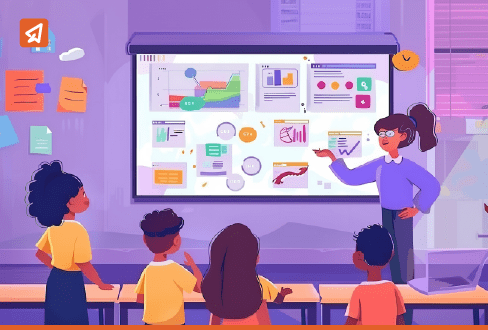
- Technology-Enabled Teaching: Digital tools make lessons interactive and support slow and fast learners together.
Three Real Challenges Schools Face
Most schools agree with these ideas. The difficulty is in doing them. Here are the three problems school leaders raise most often, and simple ways to handle them.
1. How do you grade a skill like teamwork?
A written exam cannot measure collaboration. The answer is a simple rubric: a small checklist with three or four levels for each skill, filled in by the teacher during the activity. NEP 2020 also supports this through the Holistic Progress Card, which records skills alongside marks.
2. Teacher training takes time
Teachers cannot change their method after one workshop. It works better to start small. Pick one subject and one class. Ask those teachers to run one project in a term. Let them share what worked in the staff meeting. Then grow it slowly.
3. The 40-minute period problem
A project cannot finish in one period. Some schools solve this by joining two periods once a week for project work. Others give one “activity day” each month. Even a small change in the timetable makes a big difference.
How Schools Can Start
Building these skills needs a whole-school plan. Schools can:
- Train teachers in modern teaching methods, in small batches.
- Add one project-based unit per subject, per term.
- Use technology in daily lessons, not only in the computer lab.
- Give students regular chances to work in groups and solve real problems.
- Use assessments that check understanding and use, not only memory.
Done this way, 21st century skills become part of normal teaching instead of a separate programme.
How Extramarks Supports 21st Century Learning
Extramarks helps schools bring technology and modern teaching methods into everyday classrooms. Through Smart Class Plus, interactive digital content, AI-powered (Artificial Intelligence) teaching tools, personalised learning, and competency-based assessments, teachers get support to make lessons more engaging and student-centred.
The AI-powered tools help teachers plan lessons, create classroom activities, and support students who learn at different speeds. Assessment tools help students practise concepts, see their progress, and improve at their own pace. Together, this helps schools build classrooms where students learn concepts and also learn how to use them.
Book a free demo for your school to see how Extramarks can support 21st century learning in your classrooms.
Conclusion
21st century skills in education are now an essential part of preparing students for the future. Critical thinking, creativity, communication, collaboration, digital literacy, and adaptability help learners move beyond memorisation and become confident problem-solvers.
For schools, the change is not about adding a new subject. It is about changing how students learn every day. With the right teaching methods, technology, and support for teachers, classrooms can become places where students do more than learn answers. They learn how to think, question, create, and solve.
Published on August 17, 2026