What are the Aspects and Indicators of Holistic Report Card?
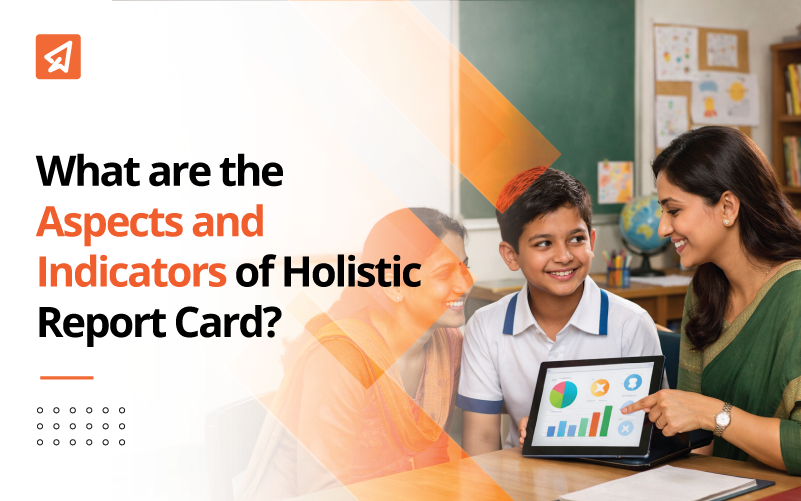
A holistic report card is designed to assess students in a comprehensive and meaningful way, moving beyond mere academic scores. It focuses on capturing the overall growth of learners, including their skills, abilities, and personal development. By understanding the core aspects and indicators that define a holistic approach, educators can better evaluate student progress and create a more supportive, balanced, and enriching learning experience.
Aspects of a Holistic Report Card
A Holistic Report Card encompasses several key aspects that shape its effectiveness in assessing student progress. These aspects include:

-
Equitable
A holistic report card ensures fairness and the elimination of prejudice from the evaluation process. It provides an unbiased evaluation that takes into account each student’s unique capabilities and potential.
-
Inclusive
The report card embraces inclusivity by considering diverse learning styles, abilities, and interests. It acknowledges the individual strengths and challenges of students, fostering an inclusive learning environment that supports their overall growth and development.
-
Joyful
A holistic report card promotes a positive and joyful learning experience. It recognizes the significance of creating an engaging and enjoyable educational journey that motivates students to explore, discover, and excel.
-
Holistic
As the name suggests, a holistic report card takes into account multiple dimensions of a student’s progress. It goes beyond academic achievements and incorporates social, emotional, and physical development. This comprehensive approach provides a well-rounded assessment that considers the overall growth and well-being of each student.
-
Diverse Knowledge
A holistic report card values diverse forms of knowledge and recognizes that learning encompasses various subject areas, skills, and competencies. It appreciates the importance of nurturing a broad range of talents, including artistic, scientific, linguistic, and interpersonal abilities.
Indicators of a Holistic Report Card
Critical Thinking
Critical thinking involves using reasoning and established criteria to conceptualize, evaluate, and synthesize ideas. Students reflect on their thought processes to improve them, challenge assumptions behind beliefs and actions, and make decisions with honesty, fairness, and open-mindedness.
Problem Solving
Problem solving entails selecting strategies and resources to move from what is known to what is sought. Students analyze situations, create action plans, and implement solutions. They evaluate alternatives and their consequences while approaching challenges with creativity, flexibility, and determination.
Managing Information
Managing information involves organizing and using information for specific purposes. Students access, interpret, evaluate, and share information from both digital and non-digital sources. They are ethical, reliable, and responsible in how they handle information, ensuring its validity and integrity.
Creativity & Innovation
Creativity and innovation focus on generating and applying ideas to create something valuable. Students identify opportunities to use ideas in new ways, experiment, take risks, and adapt to changing conditions. They demonstrate optimism, initiative, and ingenuity in their work.
Communication
Communication involves sharing ideas through oral, written, or non-verbal means. Students engage in formal and informal exchanges, considering how culture, context, and experience impact messaging. They show respect, empathy, and responsibility while interacting with others.
Collaboration
Collaboration is working effectively with others to achieve a common goal. Students participate actively, exchange ideas, and share responsibilities. They respect differing views, nurture positive relationships, and demonstrate adaptability, compromise, and valuing others’ contributions.
Cultural & Global Citizenship
Cultural and global citizenship entails engaging with cultural, environmental, political, or economic systems. Students acknowledge diverse perspectives, including First Nations, Métis, Inuit, and Francophone views. They advocate for equity, dignity, and well-being of individuals and communities while believing in their capacity to make a positive difference.
Personal Growth & Well-Being
Personal growth and well-being involve managing emotional, intellectual, physical, social, and spiritual aspects of life. Students set learning, career, or wellness goals, leverage their strengths, and develop skills and talents. They are reflective, resourceful, and strive for personal excellence.
Conclusion
Exploring the aspects and indicators of a holistic report card highlights the importance of evaluating students as whole individuals rather than through grades alone. By considering multiple dimensions of growth, educators can provide fair, inclusive, and insightful assessments that nurture students’ strengths and potential. Incorporating these principles ensures that learning becomes a well-rounded journey, preparing students to thrive both academically and personally.
Reviewed by

Prachi Singh | VP - Academics
Prachi Singh is a highly accomplished educationist with over 16 years of experience in the EdTech industry. Currently, she plays a pivotal role at Extramarks, leading content strategy and curriculum development initiatives that shape the future of education...read more.

Published on February 25, 2026