Virtual Labs in Indian Schools: Why Digital Science Must Go Beyond the Screen
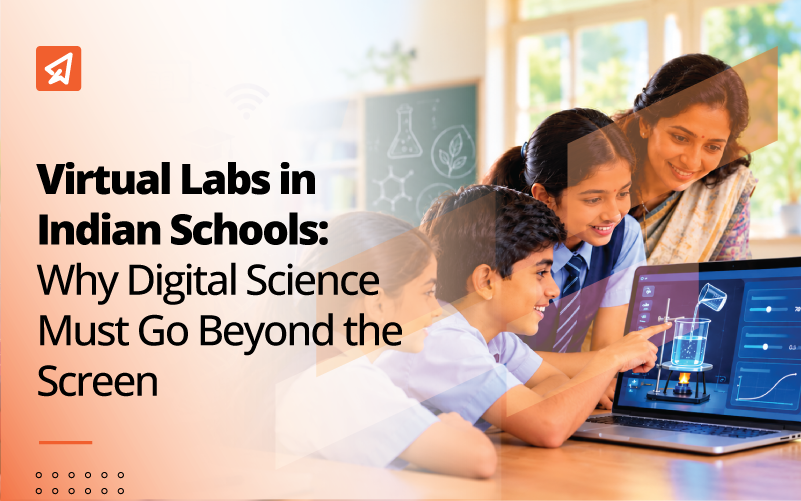
Students learn science best when they can see, question, experiment, and discover. Yet in many Indian schools, practical learning remains limited by laboratory infrastructure, packed timetables, and limited equipment. As initiatives such as PM e-VIDYA expand access to digital education, virtual labs offer an opportunity to rethink how science is taught and experienced. The real question for school leaders is not whether technology belongs in science education, but how it can make learning more hands-on, engaging, and accessible for every student.
PM e-VIDYA and the Changing Landscape of Digital Science Education
India’s digital education ecosystem has evolved significantly since the introduction of the National Education Policy (NEP) 2020. Initiatives such as PM e-VIDYA and DIKSHA have helped expand access to digital learning resources across diverse educational settings.
Virtual labs can take this approach a step further by allowing students to interact with scientific concepts through digital simulations. Instead of simply watching an experiment, learners can adjust variables, observe outcomes, and repeat activities to understand the principles behind them.
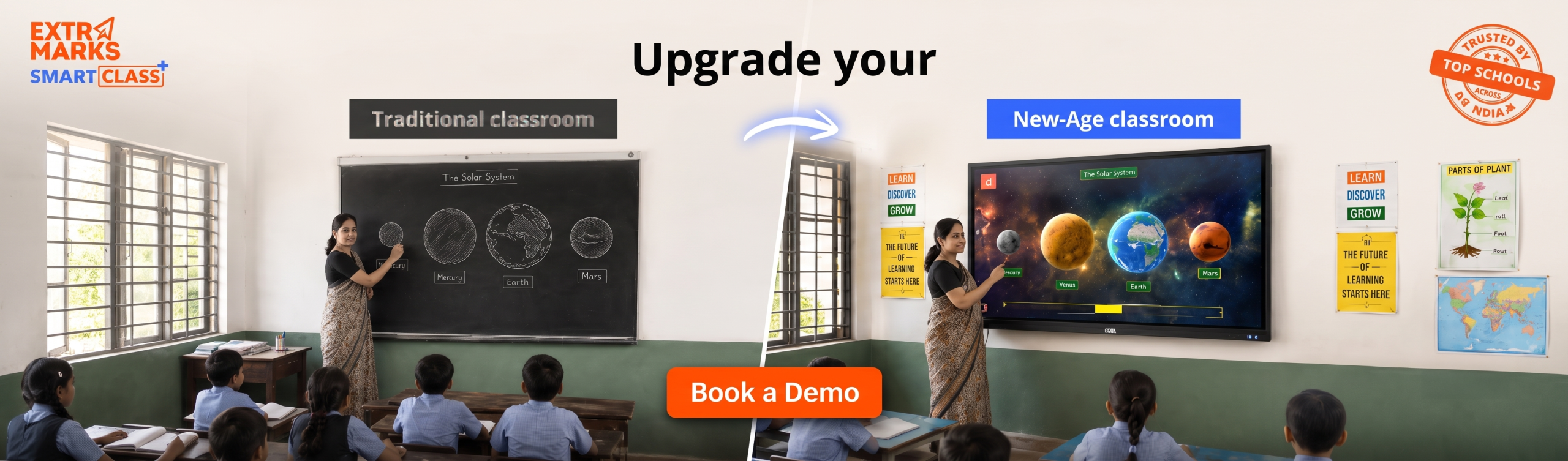
For school leaders, this presents an opportunity to bring experiential learning into everyday teaching, complementing classroom instruction and physical laboratory work.
Why Virtual Labs Deserve a Place in Indian Classrooms
The value of virtual labs goes beyond adopting new technology. They can help address some of the practical challenges schools face while creating more opportunities for students to learn by doing.
Here are three ways virtual labs can make a difference:
- Making complex concepts easier to understand: Interactive simulations can help students visualise abstract scientific principles, from electric circuits and chemical reactions to biological processes.
- Giving students more opportunities to experiment: Learners can repeat experiments, test different variables, and observe outcomes without waiting for equipment or a scheduled laboratory session.
- Making practical learning more accessible: Browser-based simulations can extend learning to classrooms with limited laboratory resources, provided students have access to suitable digital devices.
However, virtual labs should not be viewed as a replacement for physical laboratories. Handling equipment, preparing samples, making observations, and learning laboratory safety remain essential parts of science education. Digital simulations work best when they complement these experiences.
What Should Schools Look for in a Virtual Lab?
Introducing virtual labs is only the first step. The real impact depends on how effectively they are integrated into teaching and learning.
School leaders and academic coordinators should consider the following before adopting a digital science solution:
- Curriculum alignment: Activities should support relevant NCERT learning outcomes and the school’s prescribed curriculum, helping students connect simulations with what they learn in class.
- Meaningful interaction: Students should be able to manipulate variables, make predictions, and explore different outcomes instead of passively watching demonstrations.
- Ease of access: Solutions that work on existing classroom screens, computers, and compatible devices can make implementation more practical.
- Teacher readiness: Educators need the training and confidence to use virtual experiments as part of lesson planning, classroom discussions, and assessments.
Most importantly, schools should define how virtual labs will be used. A simulation introduced before a physical experiment can build familiarity, while one used afterwards can help students revisit difficult concepts and reinforce understanding.
The Role of EdTech in Making Practical Learning More Engaging
This is where education technology providers can support schools in moving from digital content consumption to interactive learning.
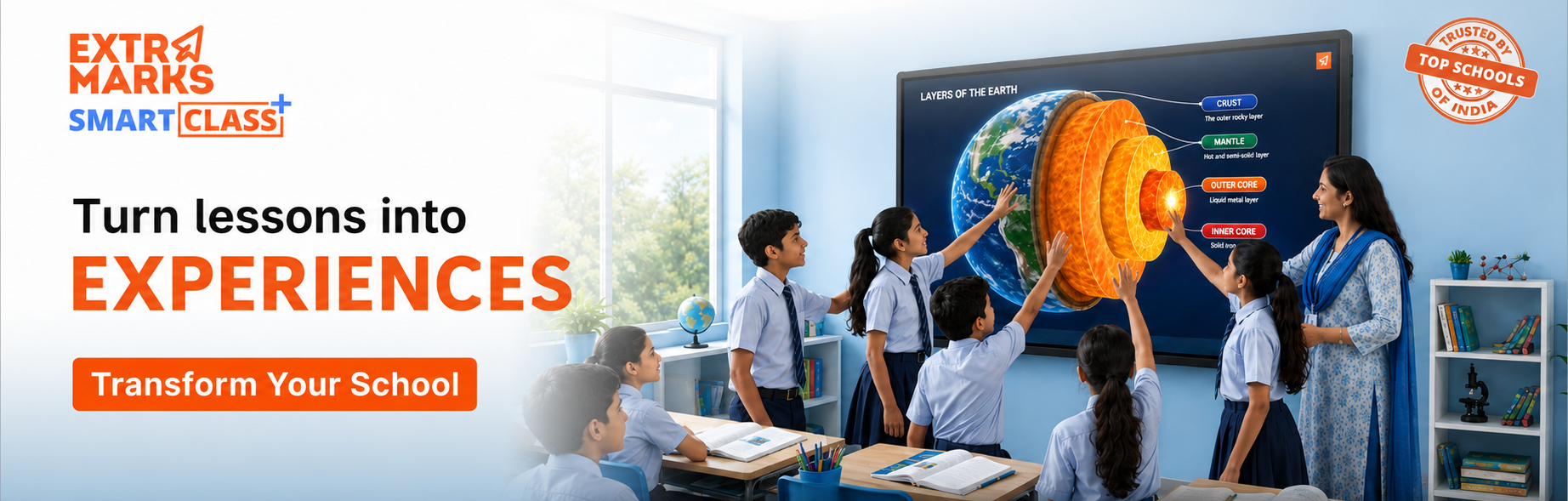
Solutions such as Extramarks can help educators enrich classroom teaching through curriculum-linked digital resources and visual explanations. When these resources are combined with well-designed virtual lab experiences, teachers can create more opportunities for students to connect theoretical knowledge with practical application.
The objective is not to introduce technology for its own sake. It is to give teachers more ways to explain concepts, encourage curiosity, and help students learn at their own pace.
Successful implementation also requires a clear plan, including teacher training, access to devices, and regular evaluation of student engagement and learning outcomes.
Building the Future of Science Education
The future of digital science education in India will depend on how thoughtfully schools use technology to support learning. PM e-VIDYA and the wider digital education ecosystem provide an important foundation, but meaningful change happens when digital resources become part of everyday classroom practice.
For school leaders, the way forward is to combine strong teaching, physical laboratory experiences, and interactive digital tools. Virtual labs can help bridge gaps in access, make abstract concepts easier to explore, and give students greater freedom to experiment.
Ultimately, the goal is not simply to make science available on a screen. It is to make science more accessible, more experiential, and more exciting to discover.
Published on October 26, 2026